
The Nordic Odyssey: Discipline and Execution Against African Power
International football, especially at a World Cup, often gifts us duels where disparity in styles and the element of surprise take centre stage. The hypothetical clash between Norway and Senegal, decided by a dramatic 3-2 in favour of the Scandinavians, is a clear example of how planning and precise execution can tip the scales even against a higher-profile opponent.

Photo: Julio Cardoso / Pexels (https://www.pexels.com/photo/soccer-balls-on-green-football-field-38185214/)
Senegal, with their renowned physical strength, speed, and individual talent, arrived at the match as a formidable opponent. The ability of their players to break down defences in one-on-one situations and their power in midfield are assets that any opponent must neutralise. However, Norway, far from being intimidated, approached the game intelligently, building on their own strengths.
The Tactical Keys to Norway's Victory
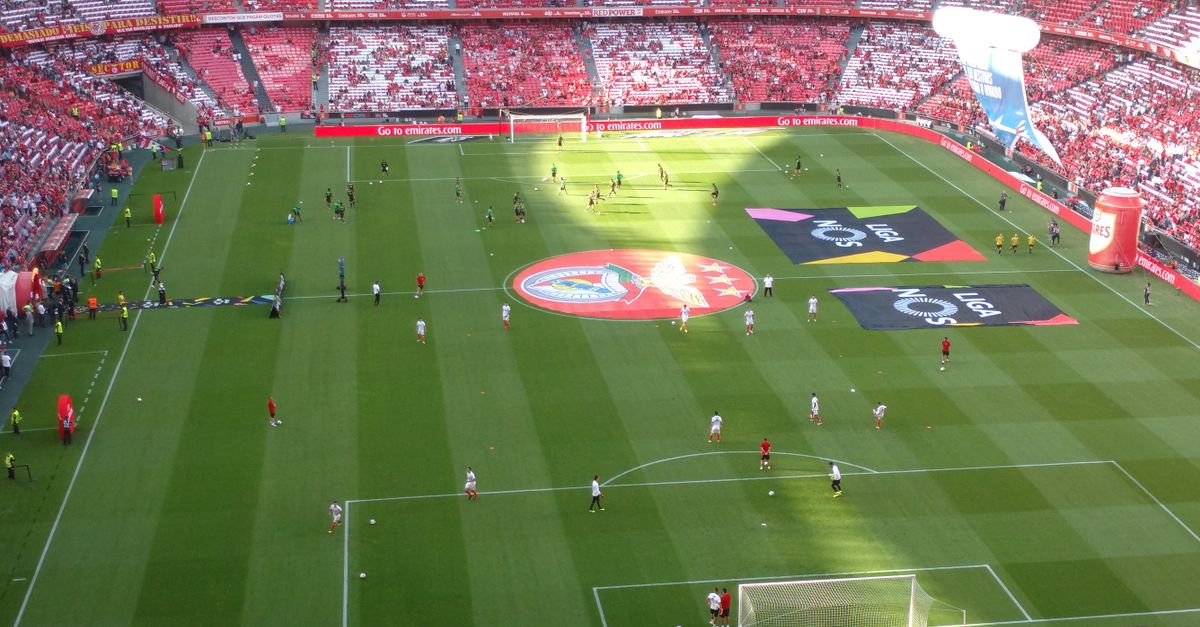
Photo: Francisco Medeiros / Pexels (https://www.pexels.com/photo/stadium-with-soccer-field-14334478/)
1. Defensive Solidity and Quick Transitions:
Norway understood that ceding possession at certain moments was part of the plan. They retreated in an organised manner, forming a compact block that hindered Senegalese incursions through the centre. When they regained possession, the offensive transition was swift, seeking the space behind the African defence with vertical and diagonal passes. This strategy allowed the Scandinavians to create chances with few touches, avoiding falling into the trap of an open game that would favour Senegal's rhythm.
2. Effectiveness from Set Pieces:
Set pieces were, without a doubt, one of Norway's great weapons. Against a team with Senegal's physical stature, maximising every corner or free-kick is crucial. The height and heading ability of Norwegian defenders and midfielders were exploited to the fullest, generating constant danger, and presumably, at least one of the goals came from this route. Precision in striking and clever movement for the run-off proved decisive.
3. Exploiting Space and Counter-Attacking:
Senegal, being a team that likes to press high and dominate possession, inevitably leaves spaces in behind. Norway knew how to identify and exploit these weaknesses. Norwegian forwards and wingers showed great game intelligence to make deep runs, allowing their midfielders to launch long balls that broke lines. The speed in executing these counter-attacks was key to surprising a Senegalese defence that, at times, found itself disorganised when retreating.
4. Physical and Mental Resilience:
The tight 3-2 scoreline speaks not only of tactics but also of unwavering physical and mental resilience. Facing Senegal involves enormous exertion, given the intensity and pace they bring to the game. Norway demonstrated admirable ability to withstand the onslaughts, recover from conceded goals, and maintain concentration until the final whistle. This tenacity was fundamental to securing a victory that seemed vital for their World Cup aspirations.
The World Cup Lesson
Norway's victory over Senegal is a reminder that in modern football, tactical intelligence and adaptability can overcome pure athletic superiority or individual talent. It's not just about who has the best players, but who organises them best and executes their plan with greater conviction. For Norway, this triumph was not just three points; it was a statement of intent on the biggest stage in world football.