The 2026 World Cup, a historic event co-hosted by the United States, Canada, and Mexico, promised to be an unparalleled showcase for the growth of football in North America. However, for the US national team, the tournament took a bitter turn following their elimination in the round of 16. A match played on July 6th in Seattle, which many hoped would be a springboard to greater heights, ended in a defeat against a solid Belgium, leaving a bittersweet taste in a nation with high expectations.
The Broken Dream: The Impact for the Host

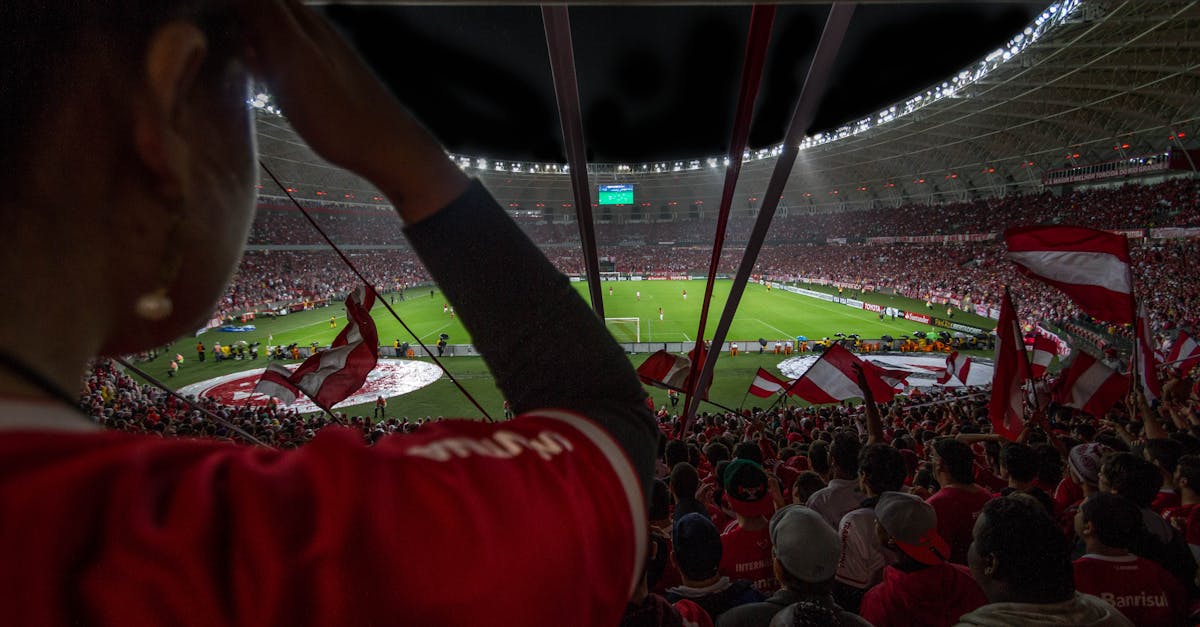
Photo: Mauricio F. Escobar M. / Pexels (https://www.pexels.com/photo/excited-colombian-football-fans-at-stadium-38345870/)
Hopes were palpable. As one of the main hosts, the United States had the opportunity to match or surpass their best performance in the modern era, the quarter-finals of 2002. The combination of hosting the tournament and having a generation of promising players had elevated expectations to unprecedented levels. The early exit in the round of 16 is perceived as a significant setback, not only sportingly but also in the collective spirit of a fanbase that had invested emotionally in the team's journey.
The impact of a host's premature exit from an event of this magnitude goes beyond the pitch. Although the 2026 World Cup will generate a massive economic boost, with projections of up to $40.9 billion in GDP for the host countries and the creation of 185,000 full-time jobs, the sporting euphoria is dampened. Disappointment can lead to more intense scrutiny of tactical decisions, team preparation, and the overall development of football in the country. The long-term legacy of the tournament will depend on how these lessons are integrated into future planning to foster a stronger and more resilient football program.

Photo: Tomorrow's Dream / Pexels (https://www.pexels.com/photo/the-king-baudouin-stadium-with-audience-in-brussels-belgium-12460951/)
Historically, the USMNT has reached the round of 16 on several occasions, including 1994 (as host), 2010, 2014, and 2022, but had not managed to advance beyond this stage since 2002. The pressure of playing at home, with the world's eyes on them, is an undeniable factor. For many, this defeat represents a valuable, albeit painful, experience in managing pressure in major tournaments.
Belgium Advances: A Firm Step Towards Glory
For Belgium, this round of 16 victory represents a crucial step in their title ambitions. The 'Red Devils' have demonstrated a rich World Cup history, with a third-place finish in 2018 and a fourth in 1986. After a disappointing group stage in Qatar 2022, the team has sought to emulate its past successes in the 2026 edition.
The match against the United States was not straightforward, a reflection of the relentless nature of knockout stages. In these games, the balance between defensive structural integrity and individual brilliance is key. Tactical analysis suggests that successful teams in knockout rounds often employ fluid hybrid systems, capable of transitioning from a 4-3-3 or 4-2-3-1 in possession to a compact mid-block of 4-4-2 or 5-4-1 without possession. Belgium's ability to overcome a motivated host on their home turf underscores their quality and tactical adaptability.
The Belgian trajectory in the tournament, which included draws in their first two matches and a convincing victory over a lower-ranked team, culminated in a dramatic comeback in the round of 32 before facing the United States. These types of experiences in the group stage and the first knockout round often forge a team's character and provide the necessary momentum for subsequent rounds.
Looking Ahead: Lessons and Opportunities
For the United States, the elimination necessitates a strategic re-evaluation. The development of young players, talent identification, and the improvement of training standards will be fundamental to building a sustainable system that produces top-tier talent capable of competing globally. The road to the 2030 World Cup, to be held in Spain, Portugal, and Morocco, begins now, with the 2026 experience serving as a catalyst for change.
Meanwhile, Belgium faces the challenge of maintaining focus and momentum. Knockout stages are a laboratory for tactical innovation, where set pieces and energy management become decisive as the tournament progresses. Their victory over the host nation provides an injection of confidence, but the difficulty will only increase in the coming rounds.
The elimination of a host nation is always a moment of reflection in world football, highlighting the immense pressure and complexities of competing at the highest level. While the disappointment is undeniable for the United States, the tournament continues, and for Belgium, the hope of achieving glory remains more alive than ever.