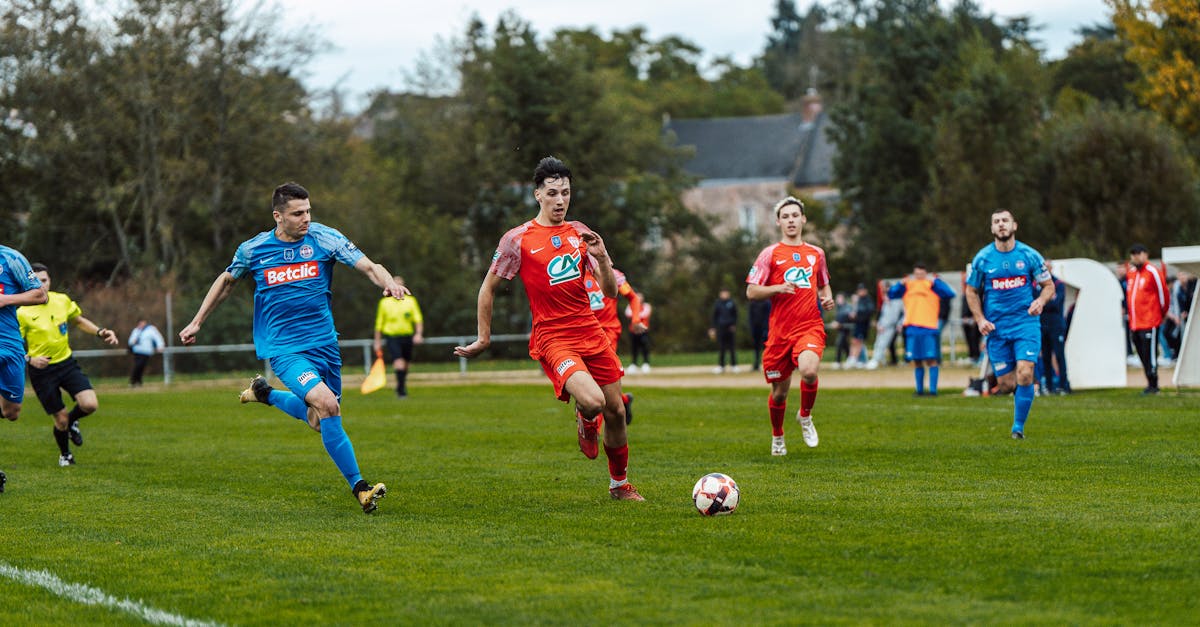
The atmosphere at the French national team's training camp during the 2026 World Cup has been soured by a significant dispute. The controversy between the players and the French Football Federation (FFF) over the use of image rights, particularly in relation to betting company campaigns, has resurfaced strongly, causing considerable unease within the national squad.
A Conflict with Precedents and Deep Roots
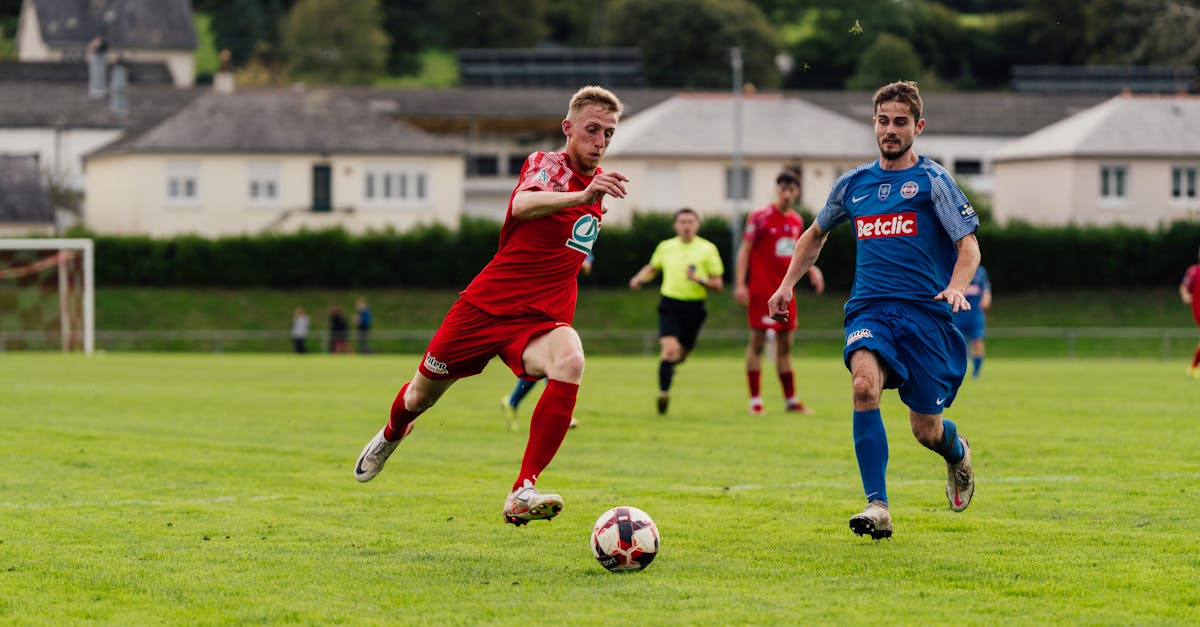
Photo: Bechir Lachiheb / Pexels (https://www.pexels.com/photo/intense-soccer-match-on-green-field-29920213/)
This is not the first time the 'Bleus' have clashed with their federation over this issue. In September 2022, star player Kylian Mbappé already engaged in a high-profile standoff with the FFF, refusing to participate in a photoshoot, citing his disagreement with certain commercial agreements. Mbappé, along with other players, expressed their desire to have a say in the brands they are associated with, citing personal convictions and potential conflicts with their own individual sponsors. The striker even stated that many footballers come from neighbourhoods where betting "has destroyed the lives of many people," which underpins his refusal to be linked with such companies.
Following that episode, the FFF pledged to review the collective agreement on image rights dating back to 2010. This agreement allowed the federation to use the footballers' images for all their advertising commitments in exchange for remuneration per international match. The promise was to work on a new pact that would protect the federation's interests while also considering the "legitimate concerns and convictions unanimously expressed by the players." The new regulations were expected to come into effect in January 2023.
Photo: Franco Monsalvo / Pexels (https://www.pexels.com/photo/intense-football-match-captured-on-field-32190730/)
The Spark of the 2026 World Cup: Campaign with Betclic
The trigger for the current crisis, which has erupted just before or during the initial phase of the 2026 World Cup, has been the appearance of several players, including Mbappé, Michael Olise, Rayan Cherki, Ousmane Dembélé, and Désiré Doué, in a promotional campaign for the online betting company Betclic. According to French press reports in June 2026, the footballers allegedly participated in a photoshoot without being fully aware that their image would be used for this specific purpose.
Betclic is a partner of the FFF, which highlights the complexity of the situation, as the federation has commercial agreements with companies in this sector. However, the players' discontent is palpable, as they consider it inappropriate for their image to be used to promote betting-related activities, a topic of great ethical sensitivity in modern football.
Implications and the Delicate Balance
This conflict underscores the constant tension between the federations' need to generate revenue through sponsorships and the players' right to control their own image and personal brand. Image rights are an essential lever for athletes' income, and their use is protected by law, although it often leads to complex negotiations and potential litigation.
For the FFF, sponsors are a vital source of funding for the development of football. Nevertheless, the stance of the players, especially high-profile figures like Mbappé, carries considerable weight. A conflict of this magnitude in the midst of a World Cup tournament could have serious repercussions on the team's morale, dressing room cohesion, and, ultimately, on sporting performance.
The situation demands a swift and effective resolution. The players' legal team is reportedly already in contact with the federation, seeking clarification on whether the previous agreement to align campaigns with the values the footballers wish to convey has been breached. The 2026 World Cup, a global showcase, thus becomes a legal and ethical laboratory where the boundaries of commercial exploitation of athletes' images are being defined.