
Introduction
The number ten is, without a doubt, football's most iconic symbol. Throughout the history of the World Cup, this position has been the epicentre of creativity, vision, and match-deciding ability. Over the decades, the role of the '10' has shifted from a midfield playmaker to a hybrid-role forward, reflecting the tactical evolution of the competition.
The First '10' Geniuses
- Pelé (Brazil, 1958) – His emergence at the Sweden World Cup marked the beginning of an era where the number ten became the benchmark for individual excellence. With his blend of speed, dribbling, and precise shooting, Pelé embodied the attacking style of his generation.
- Johan Cruyff (Netherlands, 1974) – Although Cruyff didn't wear the number ten at the Germany World Cup, his influence on the 'total football' philosophy shaped how the next era's tens operated, combining technique with tactical intelligence.
- Diego Maradona (Argentina, 1986) – The "Little Cannon" of the Mexico Cup is perhaps the most cited example of how a number ten can control the tempo of a tournament and, with his "Hand of God" goal, change football history.

Photo: Franco Monsalvo / Pexels (https://www.pexels.com/photo/youth-soccer-match-on-sunny-day-38454941/)
Tactical Evolution
From the 1980s onwards, defensive pressure and the need for a more compact system led to a change in the ten's role. The shift was from a pure playmaker to a player with defensive and transitional responsibilities. Coaches began to value versatility:
- Space Creation – The ten must generate opportunities for teammates.
- Defensive Coverage – In the recovery phase, the ten helps close down spaces.
- Positional Versatility – From midfield to forward, the number ten can adapt to the team's structure.
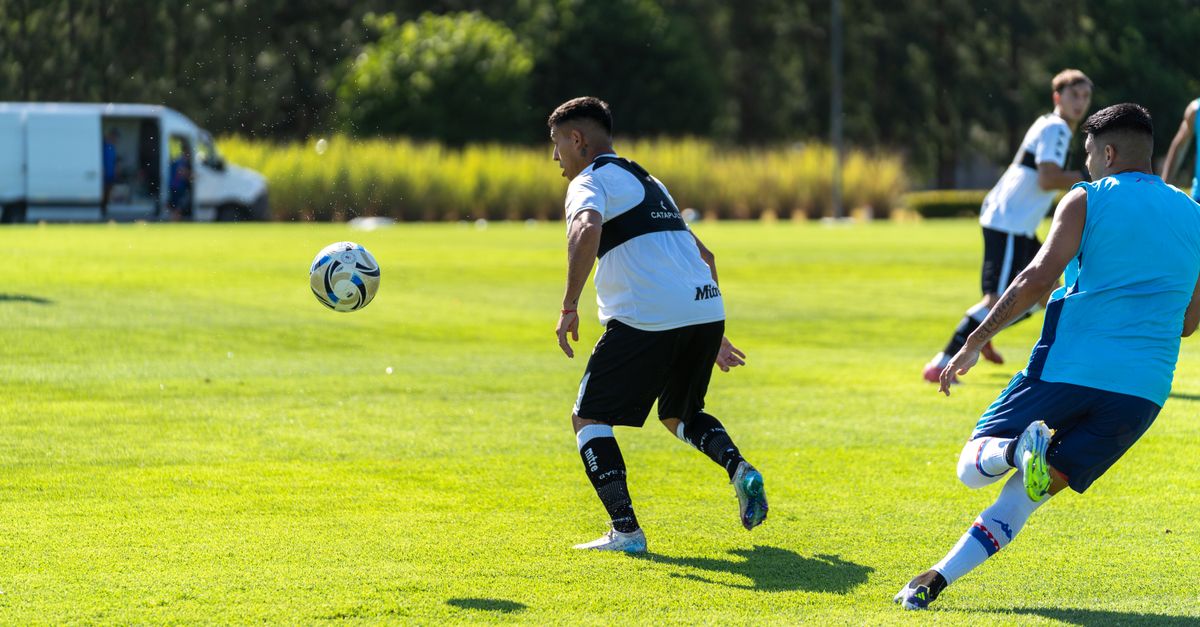
Photo: Franco Monsalvo / Pexels (https://www.pexels.com/photo/dynamic-soccer-training-session-on-sunny-field-37926510/)
The '10' in the Modern Era
With the advent of the "tiki-taka" era and possession-based football, the tens of recent tournaments have adopted a more technical and collective style:
- Constant Mobility – They move between defensive and offensive lines.
- Tactical Intelligence – Reading the game and making quick decisions.
- Contribution to Pressing – Helping to shut down opponents before they can form.
Despite the evolution, the core of the role remains creativity and the ability to decide key moments. The tens of the most recent tournaments have shown that, even in teams with rigid structures, the freedom of a creative player can be the key to success.
Legacy and Future
The legacy of the number ten in the World Cups is undeniable. Each generation brings its own archetype, but the essence remains: a player who combines technique, vision, and leadership. Looking ahead, the combination of data analysis technology and the evolution of tactical formations will likely continue to redefine the ten's role, but their status as a protagonist in world football will remain intact.
In conclusion, the number ten is more than just a number; it's the promise of more beautiful play and the spark that has illuminated the most memorable moments of the World Cup over the years.