
The pre-season for the 2026/27 campaign has once again highlighted the intense competition within LaLiga's major clubs. Far from being a mere physical tune-up, the summer period transforms into a genuine battle for a place in the starting eleven. With the arrival of new signings and the emergence of promising academy graduates, the coaching staff faces the challenge of assembling the pieces and making crucial decisions.
The Adaptation of Star Signings
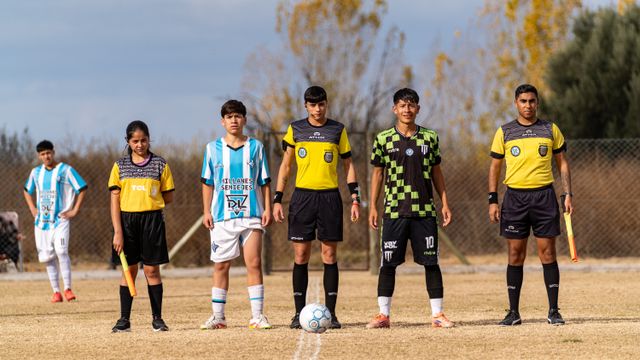
Photo: Franco Monsalvo / Pexels (https://www.pexels.com/photo/youth-soccer-players-and-referees-on-the-field-38454824/)
Each summer, the transfer window brings the excitement of new additions intended to strengthen squads and raise the competitive level. These signings, often high-profile and with lofty expectations, must prove from day one that they deserve a spot in the starting lineup. Pre-season is their first major showcase. It's the time to adapt to a new system, teammates, and tactical demands, all while competing with players already established in the team.
In the preparation for the 2026/27 season, examples of this dynamic have been evident. Clubs like Real Madrid, which has brought in names such as Bernardo Silva, Marc Cucurella, Ibrahima Konaté, and Denzel Dumfries, and FC Barcelona, with the arrival of Anthony Gordon, demand immediate adaptation and performances that justify the investment. The pressure is palpable, and every friendly and training session is an opportunity to impress and earn the manager's trust.

Photo: Nihar Reddy Jangam / Unsplash (https://unsplash.com/@niharjreddy)
The Academy's Leap: A Dream Within Reach
Alongside the arrival of new signings, pre-season offers a golden window for emerging talents from the youth ranks. Academy graduates, who have dreamed of debuting with the first team, find in this period a unique opportunity to prove their worth. The absence of international players, who often join later due to national team commitments, opens up spaces in call-ups and friendlies, allowing young players to gain minutes and experience.
Examples of academy players who have seized these opportunities in previous pre-seasons are numerous. Players like Luis López, Rafa Marín, Vinicius Tobias, or Juanmi Latasa at Real Madrid, and Álex Collado at FC Barcelona, have had the chance to train and play with the first team, showing glimpses of their potential and, in some cases, forcing coaches to consider them for the regular season. This dynamic not only feeds the first team with fresh blood but also reinforces the club's identity and values.
The Battle for Established Starting Places
The arrival of new players and the push from the academy not only affect the newcomers but also intensify the competition for players already settled in the squad. No one's place is guaranteed, and pre-season becomes a constant examination to maintain starting positions. Experienced players must redouble their efforts, show their best form, and adapt to potential tactical variations that coaches might implement. The pursuit of individual and collective excellence becomes the norm, and the demands are maximum for all members of the dressing room.
The Crucial Role of the Coaching Staff
For the coaching staff, pre-season is a period of intense evaluation. They must analyse the physical and tactical performance of each player, manage the integration of new signings, assess the potential of academy graduates, and ultimately, assemble the most competitive starting eleven. Decision-making is not easy, as it involves balancing experience with youth, established hierarchy with the hunger of new arrivals, and group cohesion with individual ambition.
In essence, pre-season is much more than physical preparation; it's a testing ground where the foundations for future success are forged. The intense competition for a starting spot ensures that, at the beginning of LaLiga, Spain's major clubs will have motivated and prepared squads ready to face the season's challenges.