
Introduction
The 'enganche', also known as the number 10, is the figure that has historically been the creative spark of Latin American football. Its essence goes beyond individual technique; it represents a collective identity that has defined eras and generations.
Origins and Early Examples
The concept emerged in the 1940s when teams in the region began to adopt systems with four defenders and three midfielders. Players occupying the intermediate position between the central midfielder and the forward, such as Brazilian Nilton Santos, started to fulfil the playmaker role. In Colombia, forward Jaime Patiño, with his vision and dribbling, became one of the earliest examples of an 'enganche' in the region's football.
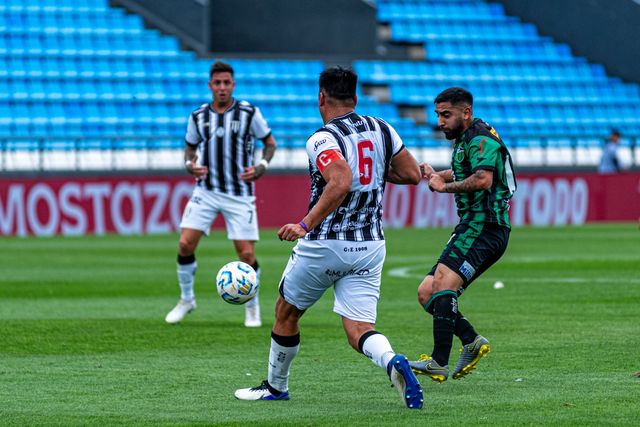
Photo: Franco Monsalvo / Pexels (https://www.pexels.com/photo/professional-soccer-match-action-on-field-29719220/)
Tactical Changes and the Role of the Enganche
With the advent of the 4-3-3 and 4-2-3-1 systems, the 'enganche' lost its fixed position in the attacking line and became more flexible. Coaches began to value a player's ability to move between the lines, create space, and participate in build-up play. This change allowed the 'enganche' to integrate into both defence and offence, becoming a creative pivot capable of distributing the ball from midfield.
Cultural and Social Impact
The number 10 became a symbol of national pride. In the 1978 Argentine national team matches, midfielder Juan José Goycochea demonstrated how the 'enganche' could inspire an entire generation. Fans celebrated them with chants, and their image became that of a hero transcending the sport. The position also influenced the formation of football academies across Latin America, where coaches emphasised the development of vision and creativity.
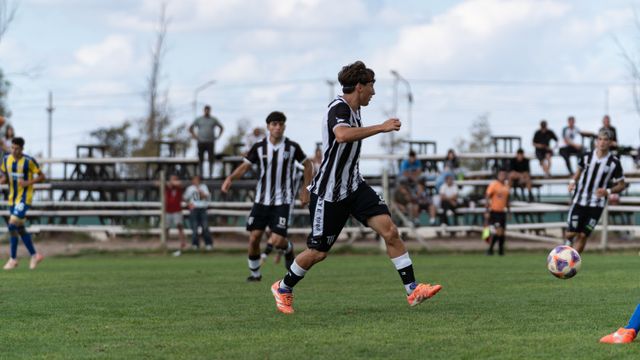
Photo: Franco Monsalvo / Pexels (https://www.pexels.com/photo/youth-soccer-match-action-on-green-field-38012170/)
Current Talents Keeping the Position Alive
In the 2010s, players like Uruguayan Enzo Fernández and Argentine Lautaro Martínez began to stand out for their ability to create opportunities from the attacking zone. In Brazilian football, midfielder Lucas Paquetá, with his technique and vision, remains a benchmark of the classic 'enganche' style. In Chilean football, forward Arturo Vidal, although playing in a more athletic position, incorporates the essence of the number 10 with his ability to link play.
Conclusion
The 'enganche' remains a fundamental pillar of Latin American football. Its evolution, from the figure of a playmaker to a versatile player who can operate in various areas of the pitch, reflects the region's adaptability to global tactical changes. The cultural legacy of the number 10 continues to inspire young footballers and fans who, with every goal and every masterful play, remember that passion and creativity are the true engines of the sport.