
Introduction
The stage is set: Belgium and Senegal face each other in a phase that could define their destinies in the 2026 World Cup competition. The match, to be held in an emblematic stadium, will be a turning point for both groups, each with its own motivations and strategies.
Belgium's Context
Belgium has shown remarkable consistency in recent international tournaments. Their style of play, based on possession and constant pressure, has been the cornerstone of their success. In this phase, the objective is to consolidate this candidacy, demonstrating that they can maintain their performance under the pressure of an opponent who does not want to lose.
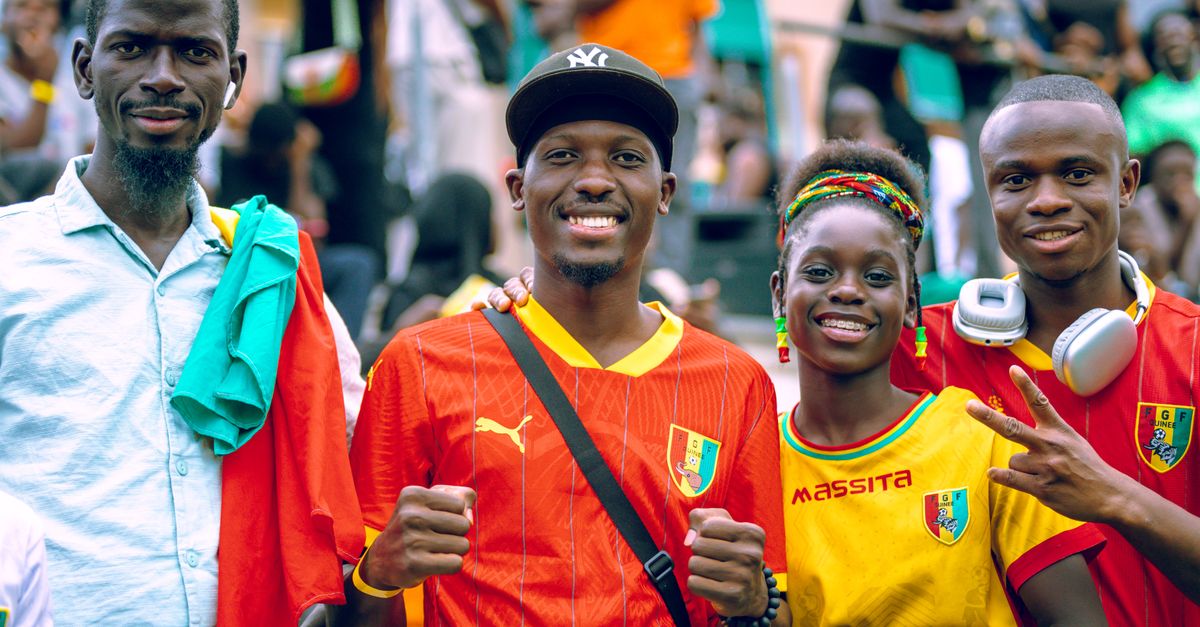
Photo: El gringo photo / Pexels (https://www.pexels.com/photo/four-happy-soccer-fans-in-colorful-jerseys-celebrating-32941180/)
Defensive Strength
Belgium's defensive solidity has become one of their pillars. A compact block, with mutually supporting lines, makes it difficult for the opponent to find gaps. In Senegal's case, the defence will be tested by the speed and creativity of the forwards.
Midfield Creativity
The Belgian midfield is characterised by its ability to distribute the ball intelligently. Players with vision and great passing technique are essential for creating goal-scoring opportunities. The key will be to maintain possession and control the rhythm of the game.

Photo: Adera Abdoulaye Dolo / Pexels (https://www.pexels.com/photo/singing-soccer-fan-in-red-wig-19875802/)
Senegal's Motivation
Senegal, for their part, arrives with the ambition to redeem themselves after a defeat that left them with a "nearly" feeling. The motivation is twofold: to prove they can compete with the best and that they are not willing to remain in the shadows.
Dynamism and Speed
Senegal's game is based on speed and the ability to break defensive lines. Their forwards, with their quickness, are capable of exploiting any gap. In a match against a Belgian defence, speed will be the decisive advantage.
Tactical Resilience
The ability to adapt to the demands of the game is a trait that characterises Senegalese players. Changing formations and adjusting pressure according to the game's development is essential to overcome an opponent who seeks to maintain possession.
Tactical Strategies
The rivalry between the two teams translates into a duel of different philosophies.
- Belgium: Maintain possession, force errors with constant pressure, and seek opportunities through quick transitions.
- Senegal: Capitalise on counter-attacks, use the speed of the wingers, and seek superiority in aerial play.
Both coaches, without revealing their names, will have to balance tactics with the motivation of their players, ensuring that their mentality is aligned with the game plan.
The Impact of Rivalry
The encounter is not just a tactical confrontation, but also a test of character. The pressure from the crowd and the importance of qualification add an emotional layer that can affect on-field execution.
Psychological Pressure
Stress management is crucial. Players who manage to remain calm under the pressure of an opponent seeking victory can make the difference.
Crowd Influence
A large and passionate crowd can influence the game's dynamics. The stadium's energy, the chants, and the anticipation can motivate or distract the teams.
Conclusion
The clash between Belgium and Senegal is much more than just a scoreline. It is a test of strategy, mentality, and resilience. Both teams, with their unique styles, will face each other in a battle that will define their aspirations for the 2026 World Cup. The result will be a reflection of how each nation interprets the importance of the game, preparation, and the passion that takes their team to the world stage.