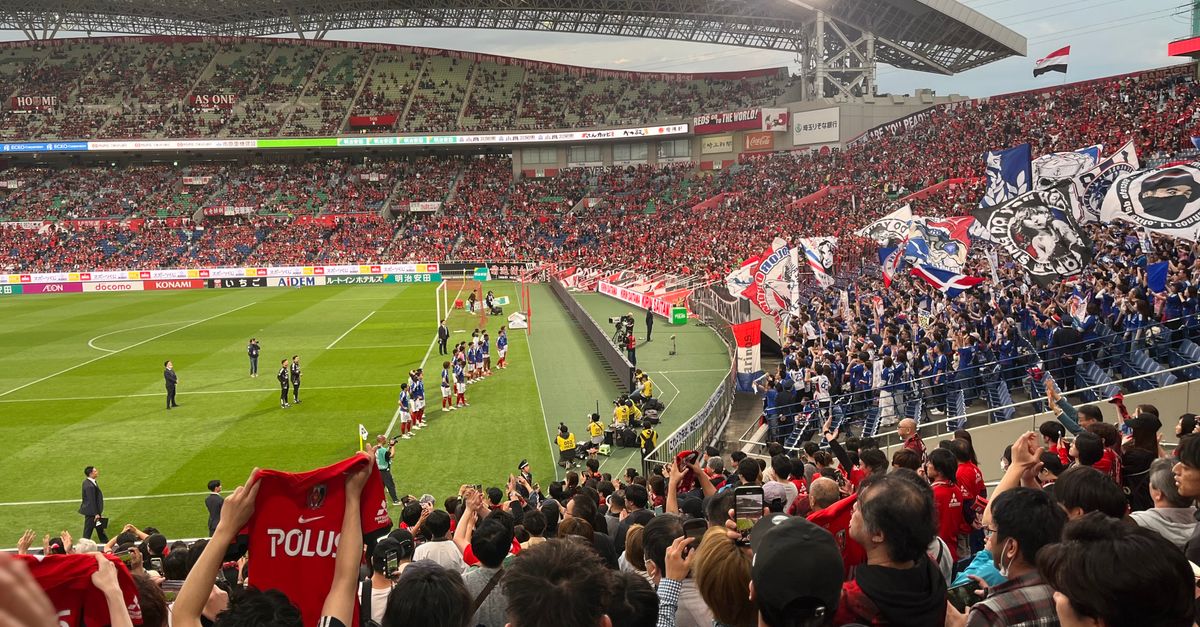
The 2026 World Cup promises to be a stage for intense emotions, and among the potential matchups already generating excitement, a hypothetical clash between Brazil and Japan is shaping up to be one of the most attractive. This match would not only be a clash of continents but a true battle of footballing styles that could offer an unforgettable spectacle and, perhaps, a turning point in the tournament.
Brazil: Offensive Samba and Individual Talent

Photo: Franco Monsalvo / Pexels (https://www.pexels.com/photo/dynamic-football-match-moment-captured-32190736/)
When we talk about Brazil, the mind immediately flies to fantasy football, dribbling, speed, and goals. 'Canarinha' always arrives at the World Cup with a constellation of stars capable of unbalancing any defence. Their game is traditionally built on the creative freedom of their attackers, the ability of their midfielders to create play, and the offensive projection of their full-backs. For 2026, it is expected that this philosophy will be maintained, with players who embody the essence of 'jogo bonito' and who seek verticality and improvisation as their main weapons. Individual technical quality is, without a doubt, their greatest strength, and their ability to create opportunities out of nowhere is a constant threat to any opponent.
Japan: Tactical Discipline and Speed
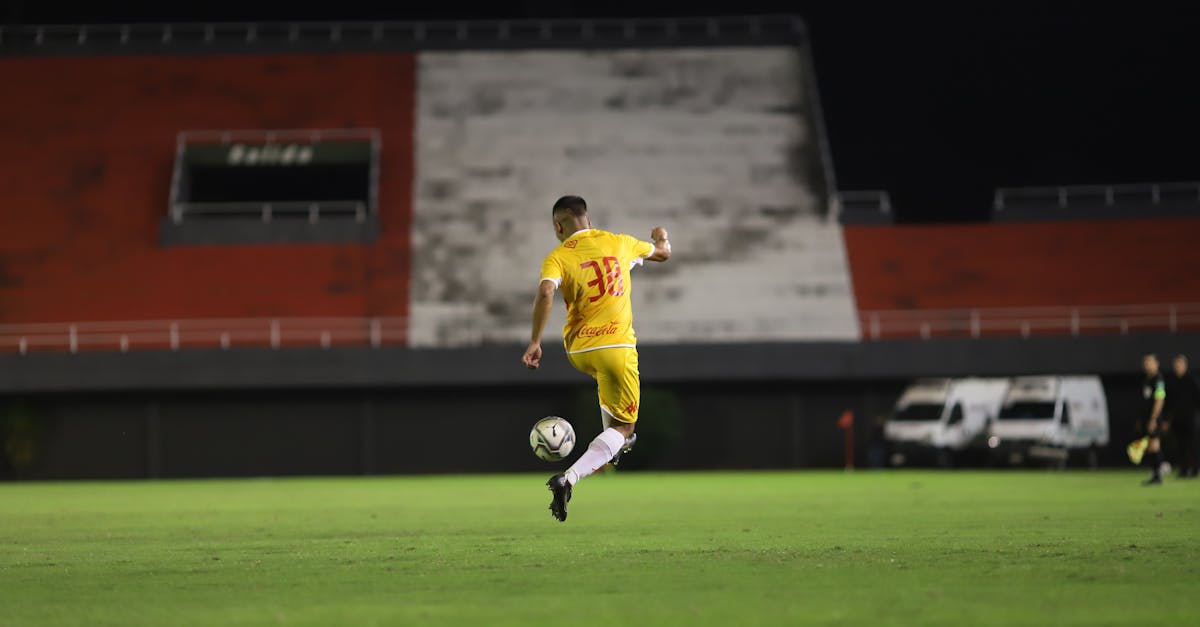
Photo: Diego Santacruz / Pexels (https://www.pexels.com/photo/man-in-yellow-soccer-jersey-playing-football-on-football-field-12616082/)
On the other hand, Japan has consolidated a reputation in recent decades as an extremely organised, tactically disciplined team with remarkable speed in its transitions. The 'Blue Samurai' are known for their tireless work ethic, coordinated pressing, and ability to exploit spaces with quick movements and precise passes. Their football is more collective, seeking numerical superiority in key areas and executing game plans with almost millimetric precision. The mix of players with experience in European leagues and emerging talents allows them to compete head-to-head with the major powers, relying on surprise and effectiveness at crucial moments.
Key Duels on the Pitch
This hypothetical clash promises individual battles that could tip the balance:
- Brazilian Attack vs. Japanese Defence: The ability of Brazil's skilful wingers and forwards to break lines will be tested by Japan's solid defensive organisation. Can overflowing creativity overcome the discipline and positioning of the Japanese defenders?
- Midfield: Creativity vs. Recovery: The midfield will be a tactical laboratory. Brazilian midfielders, with their vision and passing ability, will face the intensity and constant pressure of the Japanese midfielders, whose mission will be to stifle the opponent's build-up play and recover balls to launch quick counter-attacks.
- Japanese Speed vs. Brazilian Full-backs: Japan could look to exploit the space behind the Brazilian full-backs, who often join the attack. Their fast wingers and mobile forwards could generate danger in quick transitions, testing the defensive recovery and solidity of the South American rearguard.
The Battle of Styles and the Element of Surprise
Beyond the individual duels, what would truly make this encounter electrifying would be the collision of two distinct footballing philosophies. Brazil would seek to impose its rhythm, talent, and improvisational ability, trusting that the individual quality of its stars would make the difference. Japan, on the other hand, would try to nullify Brazil's strengths with order, teamwork, and a well-defined strategy, looking for the precise moment to strike with their speed and precision.
The element of surprise would also play a crucial role. An individual error, a well-executed set-piece, or an unexpected tactical change from the bench could completely alter the script of the match. The management of emotions and the adaptability of both teams over the 90 minutes would be decisive in a high-pressure scenario like the World Cup.
In short, a duel between Brazil and Japan in the 2026 World Cup would be an ode to modern football: on one hand, tradition and pure talent; on the other, tactical evolution and discipline. A match that would undoubtedly keep fans on the edge of their seats until the final whistle.