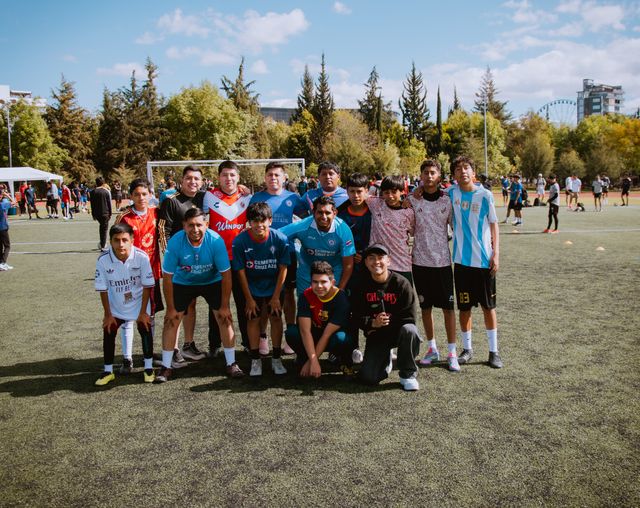
Peruvian football is experiencing a moment of effervescence with growing speculation about a potential wave of young talents who could move to Europe in the upcoming transfer windows. This new generation, which combines technical skill with a competitive mindset, generates great excitement among fans and experts of the national game. The presence of scouts and emissaries from European clubs in the region is increasingly noticeable, as they seek to secure the next stars before their values skyrocket.
Figures Already Shining and Paving the Way
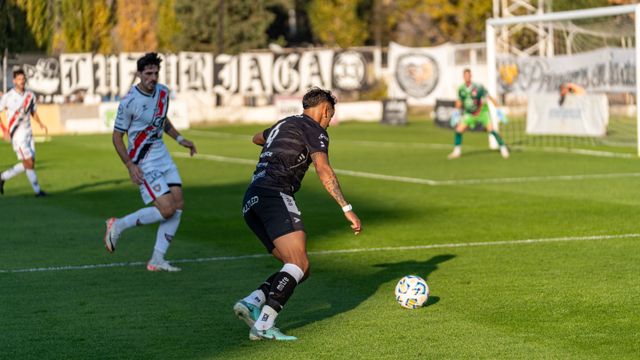
Photo: Franco Monsalvo / Pexels (https://www.pexels.com/photo/intense-soccer-match-in-action-on-sunny-day-32285228/)
Some Peruvian footballers have already made the leap and are establishing themselves in European football, serving as inspiration for those looking to follow in their footsteps. Joao Grimaldo, a 23-year-old winger, is one of the most prominent names. After spells at Riga FC in Latvia and Partizan in Serbia, he was acquired by Sparta Prague in the Czech Republic in January 2026. His impact was almost immediate, scoring and assisting on his Czech league debut. Grimaldo was even recognised by Sofascore as the best U23 Hispanic-American player in Europe in 2025, a clear indicator of his potential and adaptation to football on the Old Continent.
Alongside Grimaldo at Sparta Prague is Oliver Sonne, a 25-year-old right-back, who arrived on loan from Burnley. His presence in a competitive European team and his performance reinforce the image of the Peruvian player as capable of competing in demanding leagues.
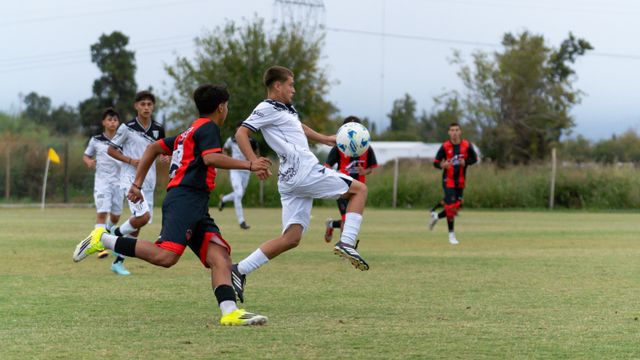
Photo: Franco Monsalvo / Pexels (https://www.pexels.com/photo/youth-soccer-match-action-shot-on-field-37996567/)
Another case generating expectations is Matteo Pérez Vinlöf, a 20-year-old full-back with Peruvian and Swedish roots, who is part of Dinamo Zagreb in Croatia and is registered to play in the UEFA Europa League in the 2026/27 season.
Young Prospects with European Passports in Hand
The Peruvian academy system is also seeing several of its young talents make the jump directly to the academies and reserve teams of major European clubs. Víctor Guzmán, a 19-year-old striker, joined Sporting CP in Portugal on a three-year contract to join their academy, one of the most renowned for talent development.
In the same Portuguese league, Bassco Soyer, a 19-year-old attacking midfielder developed at Alianza Lima, signed for Gil Vicente in July 2025. Although he started in the Liga Revelação (U23 tournament), his progress is being closely monitored.
Germany has also become a destination for young prospects. Felipe Chávez, at just 18 years old, has already had the opportunity to debut with Bayern Munich, a remarkable feat for a player his age. Likewise, Philipp Eisele, an 18-year-old midfielder, plays for Eintracht Frankfurt and has represented the Peruvian U17 national team. His profile as a modern midfielder – physical, technical, and with goal-scoring ability – makes him a valuable asset. In the German second division, Fabio Gruber, a 23-year-old centre-back, is gaining experience at 1. FC Nürnberg.
European Radar Points to Liga 1
The attention of talent scouts is not limited to players already in Europe or with dual nationality. The Peruvian Liga 1 is also a source of interest. Names like Marco Huamán, Adrián Quiroz, and Jairo Vélez have been mentioned as players under the scrutiny of European emissaries, with potential destinations in leagues in Spain, Italy, Portugal, and even Major League Soccer in the United States. The generational change process in the Peruvian national team, with the arrival of new coaching staff, offers a favourable scenario for these youngsters to prove their worth and capture the necessary attention to make the big leap.
Impact and Future for Peruvian Football
This wave of young talents in Europe or with a high probability of getting there represents a golden opportunity for Peruvian football. The experience and international exposure these players will gain in more competitive leagues will not only benefit their individual careers but also strengthen the national team in the medium and long term. Adaptation to different playing styles, physical and tactical demands, and the maturity gained from competing at the highest level are key factors for the development of elite footballers. The challenge is for these talents to consolidate themselves and open even more doors for future generations of Peruvians on the Old Continent.