
The relationship between the board of a LaLiga club and its fanbase is going through one of its most critical moments. A strategic decision, the specific nature of which has been the subject of debate and speculation, has provoked a frontal and massive rejection from a fanbase that feels ignored and betrayed in its values.
The trigger for indignation

Photo: Ahmet Kurt / Unsplash (https://unsplash.com/@ahmetkurt)
The spark that has ignited the prairie of controversy has been a measure adopted by the board of directors that, for many, directly attacks the club's identity and tradition. Although the exact details of the decision have been kept somewhat ambiguous in official statements, leaks and expert analyses point to a significant restructuring that could affect everything from the squad's composition to deeper aspects of institutional philosophy or even pricing policy for members.
The widespread perception among the fanbase is that this measure has been imposed unilaterally, without prior dialogue or real consideration for the feelings of those who fill the stands every matchday. This modus operandi has struck a deep chord, generating a sense of detachment that goes beyond a specific disagreement with a particular decision.
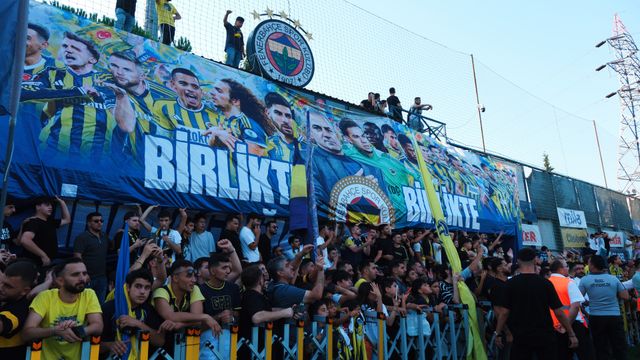
Photo: hayati ilker ergün / Pexels (https://www.pexels.com/photo/fenerbahce-fans-cheering-under-team-banner-38992223/)
The voice from the stands: protests and platforms of rejection
The supporters' response has been swift. From the moment the news broke, social media has become a hotbed of criticism, with hashtags quickly becoming national trends. Banners with explicit messages against the board have appeared around the stadium and in key points of the city. Fan clubs and supporter groups have issued joint statements, condemning the management and demanding explanations and rectifications.
Even peaceful gatherings have been organised outside the club's offices, where hundreds of fans have chanted calls for the resignation of several directors and greater transparency in decision-making. This united front demonstrates the magnitude of the discontent and the unity of the fanbase in the face of what they consider an attack on the essence of their team.
A management model under the microscope
Beyond the specific controversy, this episode has reopened the debate about the management model prevalent in certain LaLiga clubs. The fanbase questions whether decisions are always made with the long-term sporting and social benefit in mind, or if, on the contrary, economic or personal interests prevail over the entity's sentiment and history. The lack of communication and the apparent disconnect between the top brass and the social base are recurring points in the criticism.
Sports management experts point out that, in the modern era of football, the relationship with the fan is a fundamental pillar. A club sells not only football, but also an experience, an identity, and a sense of belonging. Ignoring or underestimating this bond can have dire consequences, not only for public image but also for the atmosphere in the stadium and, consequently, for sporting performance.
An uncertain future and the need for dialogue
The current situation paints an uncertain picture for the club. The division between the board and the fanbase can create a toxic environment that affects the team's performance on the field. Media pressure and fan impatience are factors that can destabilise any sporting project, however ambitious.
To rectify the situation, dialogue seems to be the only way out. A board that actively listens to its fanbase, explains its motivations transparently, and shows a willingness to rectify, could begin to rebuild bridges. However, if the stance remains unyielding, the risk of an irreparable fracture grows ever larger, with unpredictable consequences for the entity's future. The ball is now in the board's court, which must decide whether to opt for reconciliation or to deepen the rift with its supporters even further.